Security is no longer something businesses can afford to consider only after an incident occurs. Offices, retail stores, warehouses, residential buildings, and commercial properties all face different security challenges, and having clear visibility around a property can make those challenges easier to manage.
CCTV cameras have become an important part of modern security planning because they allow businesses to monitor specific areas and maintain a recorded visual history of activity. However, simply purchasing cameras is not enough. Their effectiveness depends heavily on where they are installed, how they are configured, and whether the system matches the property.
This is why professional cctv camera installation dubai can be an important consideration for businesses looking to build a reliable surveillance setup.
One of the simplest benefits of CCTV is visibility. Employees cannot monitor every entrance, hallway, parking area, storage room, or external section of a property at the same time.
Strategically positioned cameras can provide additional coverage in areas where security attention is particularly important.
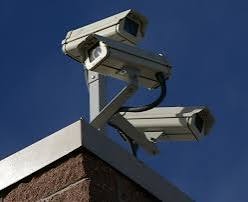
Visible surveillance equipment can also act as a deterrent. People are generally less likely to engage in unwanted activity when they know an area is being monitored.
If an incident does occur, recorded footage may provide useful information about what happened. This can help management investigate incidents instead of relying entirely on assumptions or conflicting accounts.
No. The security requirements of a small retail shop are very different from those of a warehouse, hotel, office tower, or residential development.
A business should first identify which areas require monitoring. Entrances and exits are often priorities, but other locations may include reception desks, cash-handling areas, loading bays, parking facilities, corridors, restricted rooms, and storage areas.
The environment also matters. Indoor cameras may have different requirements from equipment installed outside. Outdoor locations can expose cameras to dust, heat, moisture, and changing lighting conditions.
A proper assessment helps determine the appropriate camera type, resolution, viewing angle, mounting position, and supporting infrastructure.
Even an expensive camera can provide poor results if it is installed in the wrong position.
A camera facing directly toward strong sunlight may produce an image with excessive glare. A camera mounted too high may capture a wide area but fail to provide useful detail. Similarly, objects such as walls, signs, trees, vehicles, or structural features can create blind spots.
Professional cctv camera installation dubai takes these factors into account before equipment is permanently mounted.
The objective should not simply be to install as many cameras as possible. It is to achieve useful coverage of the areas that matter most.
Surveillance systems are often associated with theft prevention, but their role can extend further.
Businesses can use cameras to monitor general activity around their premises and review footage when accidents, disputes, or unexpected events occur. In warehouses and industrial environments, cameras can provide additional visibility around busy areas where employees, equipment, and vehicles operate.
CCTV should not replace proper safety procedures or trained personnel. Instead, it can complement existing workplace security and operational practices.
A CCTV system is only useful if important footage can be recorded and retrieved when needed.
Storage requirements depend on factors such as the number of cameras, recording resolution, frame rate, recording schedule, and the amount of time footage needs to be retained.
Businesses should consider these requirements before installation rather than discovering later that their storage capacity is inadequate.
It is also important to establish who can access recordings. Sensitive surveillance footage should be handled appropriately, with access limited to authorized personnel.
Modern security environments often combine several technologies.
Cameras can work alongside access control systems, gate barriers, alarms, visitor management, and other security technologies. When these systems are properly coordinated, businesses can gain a broader view of activity around their premises.
For example, access control can regulate who enters a restricted area while CCTV provides visual monitoring of that location. A gate barrier can control vehicle movement while cameras monitor vehicles approaching or leaving the property.
The exact combination depends on the type and size of the facility.
Choosing the right equipment is only part of the decision. The installation provider also matters.
Businesses should consider whether the provider understands the property's environment, can recommend appropriate equipment, has experience with structured cabling and networking, and can provide maintenance after installation.
The quality of installation can affect the long-term reliability of the system. Proper cable management, secure mounting, appropriate power arrangements, network configuration, and camera positioning all contribute to performance.
Documentation is useful as well. Knowing where cameras are installed and how the system is configured can make future maintenance and expansion easier.
A surveillance system should not be considered a one-time installation.
Cameras can become dirty, their viewing angles can change, cables or connections can develop faults, and recording equipment can experience storage or software problems. Regular checks can help identify these issues before an important event occurs.
Businesses should periodically verify that cameras are producing clear footage and that recording systems are functioning properly.
A maintenance plan can be particularly valuable for larger properties where a problem with one camera might otherwise go unnoticed.
CCTV works best when it is part of a broader security plan rather than an isolated technology.
Businesses should begin by identifying their most important security risks, the areas requiring monitoring, and the type of footage they may need. From there, they can select appropriate cameras, recording equipment, networking infrastructure, and complementary security systems.
For organizations considering cctv camera installation dubai, professional planning can help avoid common problems such as blind spots, insufficient storage, poor camera positioning, and unreliable connectivity.
Ultimately, effective surveillance is not about putting a camera on every wall. It is about creating meaningful visibility where it matters.
A carefully designed CCTV system can give businesses greater awareness of their premises, support incident investigation, and become an important component of a wider approach to protecting people, property, and business operations.

This post has been authored and published by one of our premium contributors, who are experts in their fields. They bring high-quality, well-researched content that adds significant value to our platform.












Travel Journal is your source for travel inspiration, destination guides, helpful travel tips, and stories from around the world. Discover new places and plan your next journey with confidence.